Last reviewed: May 2026 · MLC editorial team · UK trade workshop perspective
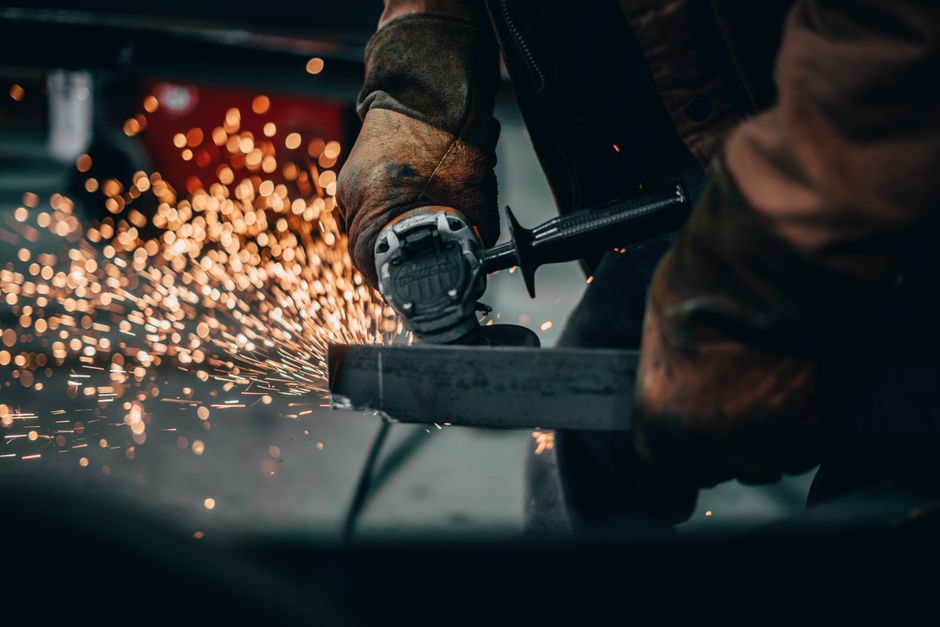 Photo by Kiefer Likens on Pexels
A die grinder that bogs down or runs away at full rpm wrecks burrs and fingers. Trade air grinders from Ingersoll Rand and Chicago Pneumatic spin true and controllable; electric and cordless units from Makita free you from the airline, at the cost of a heavier body. Collet size decides what burrs and points you can run. For UK workshops, choosing between pneumatic or battery-powered models depends on your space constraints and budget - air tools typically range from £100 to £300, while cordless options start around £200 for reliable brands like Bosch and DeWalt. In the workshop, reliability and precision are non-negotiable, so understanding how each type performs under pressure is key.
How we picked these
- Power source: air (light, cheap to buy, needs a compressor), electric (no compressor, constant power), or cordless (portable, brushless).
- Collet size: 6mm (1/4in) is standard for burrs and mounted points; check it takes your tooling.
- Speed: ~20,000-25,000 rpm for carbide burrs; variable speed helps with flap wheels and polishing.
- Air consumption (CFM): match the air grinder to your compressor's output or it'll starve and stall.
- Ergonomics: body length and a feathering throttle for control in tight, accurate work.
Reviewed picks
Sealey GSA673 (air, 1/4in)
Price: £25-£50 | Best for: cheapest air die grinder
The Sealey GSA673 is a budget-friendly air die grinder for UK workshops, priced between £25 and £50. It's light in the hand and easy on the wallet, but it requires a compressor to operate. The basic throttle control isn't as refined as some higher-end models. Sealey parts are readily available in the UK if maintenance is needed.
| Type | Air |
|---|
| Collet | 6mm |
|---|
| Speed | 22,000 rpm |
|---|
| Air | ~4 CFM |
|---|
Pros
- Very low cost
- Light in the hand
- Sealey UK spares
Cons
- Needs a compressor
- Basic throttle control
As an Amazon Associate, My Local Components earns from qualifying purchases.
Check Sealey GSA673 (air, 1/4in) on Amazon UK →
Chicago Pneumatic CP860 (air, 1/4in)
Price: £50-£80 | Best for: value trade air grinder
The Chicago Pneumatic CP860 is a solid choice for value-conscious tradespeople in the UK, priced around £50 to £80. Reliable and sturdy with a smooth throttle for precise control, it excels at sustained deburring tasks. However, ensure your compressor can handle its 5 CFM requirement.
| Type | Air |
|---|
| Collet | 6mm |
|---|
| Speed | 24,000 rpm |
|---|
| Air | ~5 CFM |
|---|
Pros
- Smooth, controllable throttle
- Reliable CP build
- Good for sustained deburring
Cons
- Needs adequate compressor
- Air-only
Check Chicago Pneumatic CP860 (air, 1/4in) on Amazon UK →
Ingersoll Rand 301B (air, 1/4in)
Price: £70-£110 | Best for: best trade air die grinder
The Ingersoll Rand 301B is a reliable air die grinder for UK tradespeople, priced between £70 and £110. It boasts industry-standard durability with a true spin and controllable speed at up to 25,000 rpm. However, it demands around 5-6 CFM of air, making it less economical than some alternatives.
| Type | Air |
|---|
| Collet | 6mm |
|---|
| Speed | 25,000 rpm |
|---|
| Air | ~5-6 CFM |
|---|
Pros
- Industry-standard durability
- Spins true and controllable
- Holds rpm under load
Cons
- Higher air demand
- Premium for an air tool
Check Ingersoll Rand 301B (air, 1/4in) on Amazon UK →
Makita GD0601 (electric, 1/4in)
Price: £60-£90 | Best for: no-compressor electric grinding
The Makita GD0601 is a reliable electric die grinder for UK workshops priced between £60 and £90. It offers constant power at 25,000 rpm without needing a compressor or airline, making it ideal for on-the-go work. However, its mains lead can be cumbersome, and it's heavier than air grinders, but Makita’s build quality ensures durability.
| Type | Electric 240V |
|---|
| Collet | 6mm |
|---|
| Speed | 25,000 rpm |
|---|
| Power | 400W |
|---|
Pros
- No airline or compressor needed
- Constant power, doesn't starve
- Makita reliability
Cons
- Heavier than an air grinder
- Mains lead in the way
Check Makita GD0601 (electric, 1/4in) on Amazon UK →
Makita DGD800 (18V cordless, brushless)
Price: £150-£230 (bare) | Best for: portable cordless deburring
The Makita DGD800 is a cordless die grinder with an 18V brushless motor offering up to 25,000 rpm. Weighing in at around £175-£210 (bare tool), it excels for portable deburring tasks without the need for cables or air lines. Its LXT battery platform provides reliable power but note that batteries and chargers are sold separately. At 640 grams, it's on the heavier side compared to rivals.
| Type | Cordless 18V |
|---|
| Collet | 6mm |
|---|
| Speed | 25,000 rpm |
|---|
| Motor | Brushless |
|---|
Pros
- No lead or airline
- Brushless power
- LXT battery platform
Cons
- Battery/charger extra (bare)
- Heaviest body here
Check Makita DGD800 (18V cordless, brushless) on Amazon UK →
Recommendations at a glance
| Best overall (air) | Ingersoll Rand 301B - durable, true-running trade standard |
|---|
| Best value air | Chicago Pneumatic CP860 - smooth throttle, reliable |
|---|
| Best electric | Makita GD0601 - no compressor, constant power |
|---|
| Best cordless | Makita DGD800 - portable brushless, LXT platform |
|---|
| Best budget | Sealey GSA673 - cheapest air grinder for light use |
|---|
Related reference on MLC
Frequently asked questions
Air, electric or cordless die grinder?
Air grinders (Ingersoll Rand 301B) are light, cheap to buy and ideal if you have a compressor with enough CFM. Electric (Makita GD0601) needs no compressor and gives constant power. Cordless (Makita DGD800) is the most portable but heaviest and needs batteries. Match to whether you already run an airline.
What collet size do I need?
6mm (1/4in) is the standard die-grinder collet and fits the widest range of carbide burrs and mounted points in the UK. Some grinders also offer a 3mm (1/8in) collet for small burrs. Check the grinder comes with, or accepts, the collet size your tooling uses.
How much air does an air die grinder use?
Typically around 4-6 CFM at full throttle. Match that to your compressor's continuous output, not its peak - an undersized compressor lets the grinder bog down and stall on sustained work. If your compressor is small, an electric or cordless grinder avoids the problem.
What speed should a die grinder run?
Carbide burrs and mounted points are designed for high speed, around 20,000-25,000 rpm, which most die grinders deliver. For flap wheels and polishing mops you want to run slower, so a variable-speed or feathered-throttle grinder gives better control and tool life.
Why does my die grinder bog down?
On an air grinder it's usually too little air - the compressor can't sustain the CFM, so the tool loses rpm under load. On electric/cordless it's pushing too hard into the cut. Let the burr cut at speed with light pressure, and on air tools check your compressor and hose can feed the grinder.
As an Amazon Associate, MLC earns from qualifying purchases. The product links on this page support our work at no extra cost to you. Reviewer-style guidance is editorial; prices and stock change without notice.