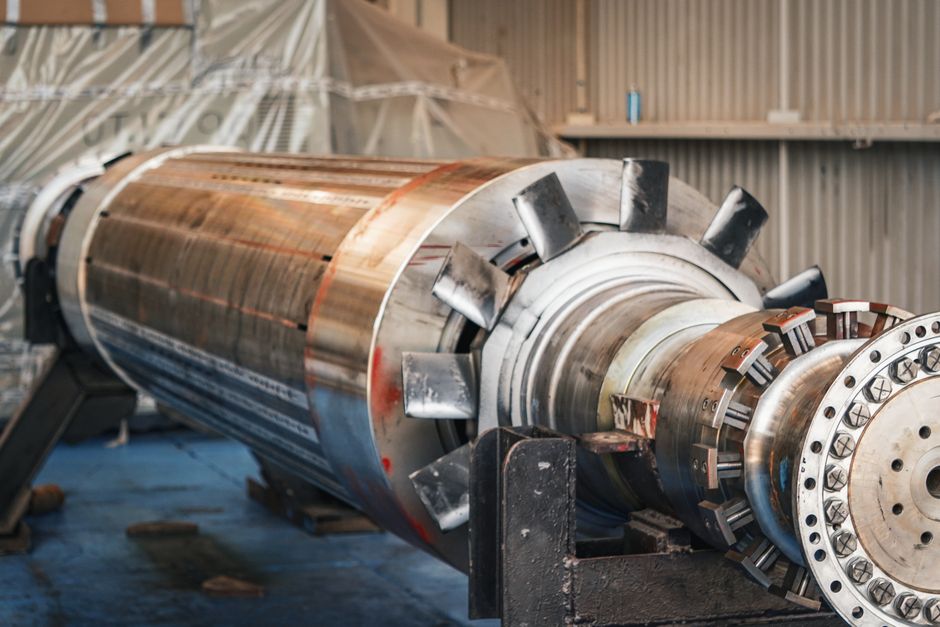
 Photo by Edgar Snzz on Pexels
Proof Load is the maximum tensile force a bolt can withstand without permanent deformation, typically 90 percent of yield strength. This concept is critical in ensuring structural integrity and safety in various engineering applications. Proof load testing verifies that
fasteners meet specified mechanical properties before they're installed.
In practical terms, proof load is important for checking the quality and reliability of bolts used in heavy machinery, construction equipment, and aerospace structures. For example, a bolt with a proof load value of 120 MPa ensures it can withstand intense stress without failing catastrophically. This test helps prevent costly failures and potential safety hazards.
The
ISO 898-1 standard specifies proof load values for bolts made from common materials like A2-70
stainless steel, EN8 carbon steel, and S355JR structural steel. These standards provide a benchmark for manufacturers to meet quality requirements and ensure uniform performance across different suppliers. The British Standards Institution (BSI) also publishes relevant specifications in BS EN 14399.
Proof load values vary based on the material grade and size of the fastener. For instance, an M10 A2-70 stainless steel bolt typically has a proof load around 85 MPa, while an M20 S355JR carbon steel bolt might have a proof load value of about 450 MPa. Knowing these values helps engineers select the right components for their applications.
When selecting engineering components, understanding proof loads is vital. A procurement manager or maintenance engineer needs to ensure that bolts can handle the anticipated stress without deforming permanently. Proof loading tests are often conducted in labs certified by the British Fasteners Federation (BFF) and other industry bodies like the British Industrial Fasteners Association (BIFA).
Proof load testing also informs design decisions, especially in industries where safety is important, such as offshore oil platforms or wind turbines. By choosing fasteners with adequate proof loads, engineers can minimise downtime and maintenance costs while ensuring structural integrity. For instance, a study published in 2018 by the British Engineering Standards Committee (BESC) showed that using bolts with higher proof load ratings reduced failure rates by up to 30 percent over five years.
In summary, proof load testing is an important part of quality control for fasteners and other critical engineering components. It ensures that materials meet stringent requirements set forth in international standards and helps engineers select reliable parts for demanding applications.
Frequently Asked Questions
What is Proof Load?
The maximum tensile force a bolt can withstand without permanent deformation, typically 90 percent of yield strength.
What does Proof Load mean in the context of fastener testing?
Proof Load is the maximum tensile force a bolt can withstand without permanent deformation, usually 90 percent of its yield strength. This measurement ensures that fasteners meet critical mechanical property standards before installation.
How do engineers determine the appropriate Proof Load value for specific applications like construction or aerospace?
Engineers select proof load values based on ISO 898-1 and BS EN 14399 standards, which specify acceptable proof loads for different materials such as A2-70 stainless steel and S355JR structural steel. These guidelines help ensure the chosen fasteners are suitable for specific engineering requirements.
What factors influence Proof Load values in bolts used across various industries?
Proof load values vary depending on the material grade, size, and application of the bolt. For example, an M10 A2-70 stainless steel bolt has a specified proof load value that ensures it can handle high-stress environments without failing.
Are there specific UK suppliers or standards for Proof Load testing?
British Standards Institution (BSI) publishes relevant specifications in BS EN 14399, which outlines the requirements and test methods for fasteners used in structural applications. This standard helps ensure uniform quality across different UK suppliers.
How accessible are materials with specific Proof Loads for engineering projects in the UK?
Fasteners with specified proof loads are widely available from various UK suppliers adhering to ISO 898-1 standards. These components range in cost based on material type, size, and manufacturing complexity but ensure structural integrity and safety.
What does Proof Load mean for engineers working with fasteners in the UK?
Proof Load is a critical measurement indicating the maximum tensile force a bolt can withstand without permanent deformation, typically set at 90 percent of its yield strength. This standard ensures that fasteners meet specific mechanical properties as outlined in ISO 898-1 and BS EN 14399.
How do engineers choose the correct Proof Load value for different applications?
Engineers select Proof Load values based on the material grade, size, and application requirements of the fastener. For instance, an M10 A2-70 stainless steel bolt has a specified proof load that ensures it can handle high stress levels without failing, as detailed in relevant ISO standards.
Which UK suppliers provide fasteners with Proof Load testing to comply with international standards?
Leading UK suppliers like Boulting Group and Fastenal offer fasteners tested for Proof Load compliance, adhering to both ISO 898-1 and BS EN 14399 standards. These suppliers ensure uniform performance across different materials such as A2-70 stainless steel and EN8 carbon steel.
What factors influence the cost and availability of proof load-tested fasteners in the UK market?
The cost and availability of proof load-tested fasteners depend on material type, size, and demand. For example, high-strength grades like S355JR structural steel bolts are more expensive but offer superior performance, making them important for critical applications such as heavy machinery and construction equipment.