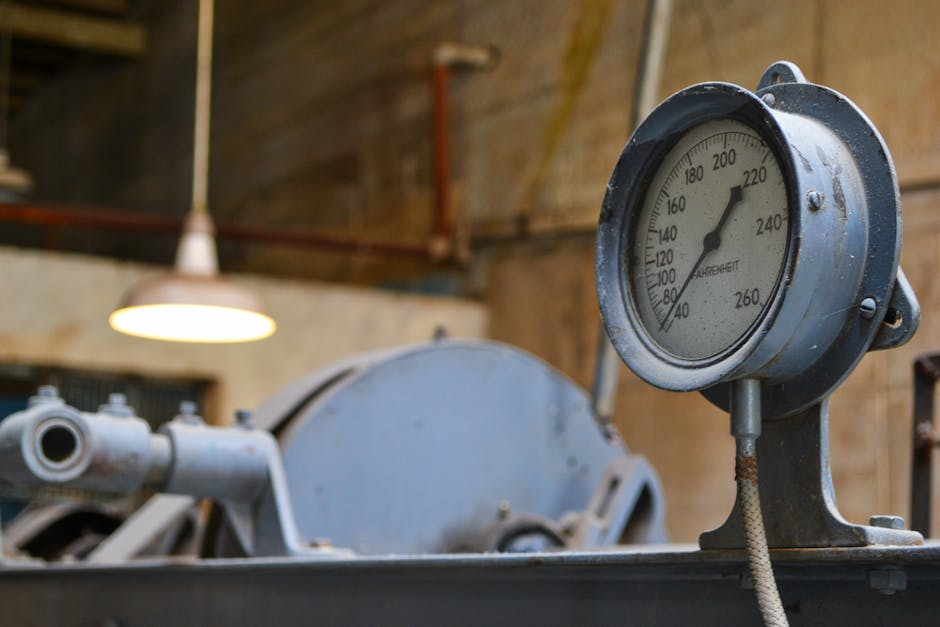
Photo by Brett Sayles on Pexels
Common Mistakes in Gasket Material Selection for Temperature and Pressure
People often overlook the PxT rating, which combines pressure and temperature limits to determine material suitability. Gasket Material Selection for Temperature and Pressure It's important not to pick a gasket based on just one of these factors.
Understanding PxT Rating Limits
The PxT rating is important because it tells you if your chosen gasket can handle both the heat and the pressure in your system without failing. For example, a compressed fibre gasket like Klingersil C-4400 has a limit up to 20 bar at 200°C, but increasing either factor alone could push it beyond its limits.
Compressed Fibre Gaskets
Compressed fibre gaskets are ideal for lower pressure and temperature applications. They're made from materials like aramid or PTFE, compressed into thin sheets. Klingersil C-4400 works well up to 20 bar at 200°C, making them perfect for steam and water systems.
Spiral Wound Gaskets
Spiral wound gaskets are strong choices for higher pressure and temperature applications. Typically made from stainless steel (A2-70) with a filler like graphite or PTFE, they can handle pressures up to 100 bar and temperatures reaching 600°C.
Rubber Sheet Gaskets
Rubber sheet gaskets such as EPDM, NBR, and CR are cost-effective options for lower pressure environments. They're great for media like oil and water but aren't suitable for high-pressure systems or extreme temperatures.
PTFE Sheet Gaskets
PTFE sheet gaskets offer excellent chemical resistance and work well in a wide temperature range-from -200°C to +260°C. These gaskets are perfect for applications involving aggressive chemicals, like acids and solvents.
Metal Gaskets
Metal gaskets, including ring joint and Kammprofile types, are designed for high-pressure systems. They can withstand pressures over 150 bar and temperatures up to 450°C, making them ideal for heavy industrial use.
Flange Standards
Flanges follow specific standards like BS EN 1092 in Europe, ASME B16.5 in the US, and DIN in Germany. These standards ensure compatibility between different components and dictate flange dimensions and pressure ratings.
Media Compatibility
Choosing a gasket involves considering the type of media your system will handle. At Gasket Material Selection for Temperature and Pressure, for steam, compressed fibre or spiral wound gaskets work well; for oil and water, rubber sheets are fine; but for chemicals, PTFE is better due to its chemical resistance.
Environmental and Health Impact
Using the right gasket material can reduce leaks that cause environmental damage and health risks. Proper sealing prevents toxic substances from escaping into the air or soil, protecting workers and ecosystems.
Material Grades and Standards
Compressed fibre gaskets adhere to BS 7531, while spiral wound gaskets follow EN 12068 standards for flanged joints. These guidelines ensure that your gasket meets industry requirements for performance and safety.
Maintenance and Longevity
Proper material selection extends the life of your equipment by preventing leaks and failures. Regular maintenance checks can also help identify potential issues before they become critical, ensuring continuous operation.
Industry References
Gaskets often face scrutiny from trade bodies like CBM (Confederation of British Metalforming) and BIAFD (British and Irish Association of Fastener Distributors). Adhering to their guidelines ensures your gasket selection meets industry standards for safety and performance.
Get a quote for Gasket Material Selection for PxT Limits
Acumen Seals & Pumps - UK specialist in mechanical seals, FFKM O-rings, Kalrez compounds, and elastomer parts. 36 years of inventory, UK stock with 24-48 hour despatch, and a price back within 4 working hours.
Frequently Asked Questions What does this guide cover? This guide covers gasket material selection for temperature and pressure with practical selection criteria, real specifications, and references to ISO and BS standards. Written for UK engineers and procurement professionals.
What does PxT rating mean in Gasket Material Selection for Temperature and Pressure? The PxT rating combines pressure (P) and temperature (T) limits to determine the suitability of gasket materials. It's important to ensure that a chosen gasket can handle both factors simultaneously without failing, as increasing either alone may exceed its capacity.
Why are compressed fibre gaskets like Klingersil C-4400 used in Gasket Material Selection for Temperature and Pressure? Compressed fibre gaskets such as Klingersil C-4400 are ideal for lower pressure and temperature applications, typically up to 20 bar at 200°C. They're made from materials like aramid or PTFE, making them suitable for steam and water systems where cost-effective solutions are needed.
How do spiral wound gaskets differ in Gasket Material Selection for Temperature and Pressure? Spiral wound gaskets, typically constructed with stainless steel (A2-70) and a filler like graphite or PTFE, excel in high-pressure and temperature environments. They can handle pressures up to 100 bar and temperatures reaching 600°C, making them preferable for demanding industrial applications.
What factors should UK engineers consider when choosing rubber sheet gaskets under Gasket Material Selection for Temperature and Pressure? When selecting rubber sheet gaskets such as EPDM, NBR, or CR, UK engineers should evaluate the specific chemical resistance, temperature range, and pressure requirements of their application. These materials are cost-effective but must meet the necessary standards like BS EN 12067 to ensure reliability.
Where can UK engineers find reliable suppliers for gasket material selection based on temperature and pressure? UK engineers should look for suppliers certified by recognized bodies such as BSI (British Standards Institution) that adhere to industry standards like ASME (American Society of Mechanical Engineers). Companies like MLC Gaskets offer a range of materials including compressed fibre, spiral wound, and rubber sheets suitable for various temperature and pressure conditions.
What is the PxT rating and why is it important for gasket material selection? The PxT rating combines pressure (P) and temperature (T) limits to determine if a gasket can handle both factors simultaneously without failing. This rating is important in Gasket Material Selection for Temperature and Pressure, ensuring that materials like Klingersil C-4400, which operates up to 20 bar at 200°C, are chosen appropriately.
How do you choose between compressed fibre gaskets and spiral wound gaskets based on temperature and pressure? Compressed fibre gaskets, made from aramid or PTFE, work well for lower temperature and pressure applications up to 20 bar at 200°C. Spiral wound gaskets, composed of stainless steel with graphite or PTFE filler, are better suited for higher pressures up to 100 bar and temperatures reaching 600°C in Gasket Material Selection for Temperature and Pressure.
What standards should be considered when selecting a gasket material based on temperature and pressure? When choosing materials like Klingersil C-4400, it's important to adhere to relevant industry standards such as EN12067 or ASME B16.20 for ensuring compatibility with specific temperatures and pressures in Gasket Material Selection for Temperature and Pressure.
Where can UK engineers find reliable suppliers for gaskets suitable for high temperature and pressure environments? UK engineers should look to reputable suppliers like MLC (mlc.org.uk) that offer materials such as Klingersil C-4400, which is ideal for steam and water systems requiring a PxT rating up to 20 bar at 200°C in Gasket Material Selection for Temperature and Pressure.