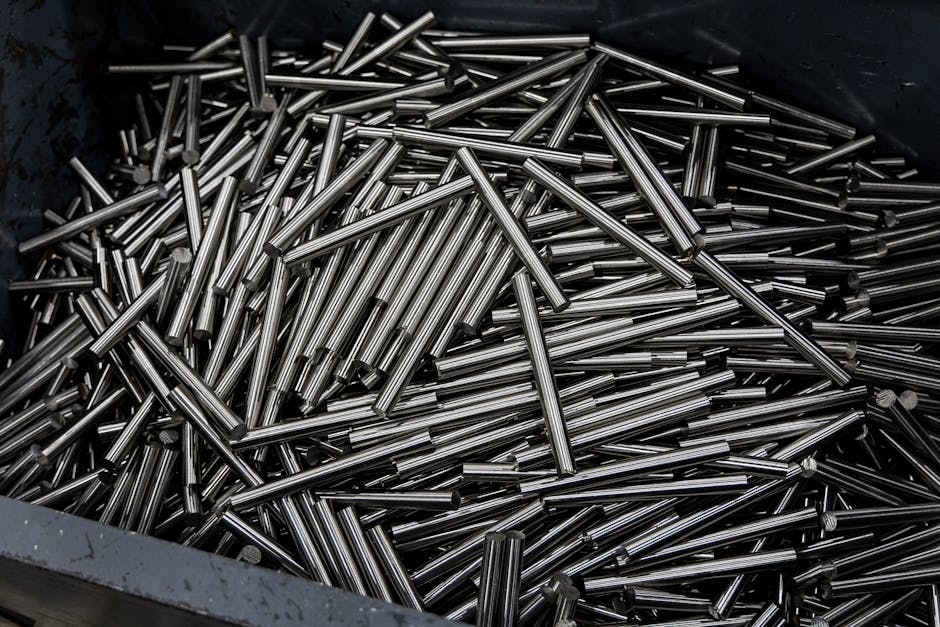
 Photo by Rolled Alloys Specialty Metal Supplier on Pexels
Stainless Steel Grades for Engineering Applications
Stainless steel grades are widely used in engineering due to their corrosion resistance and strength, but selecting the right grade can be complex. Stainless Steel Grades for Engineering Applications Different applications require different properties like mechanical strength or chemical resistance.
Austenitic Stainless Steels (304, 316, 321)
Austenitic stainless steels form a family of alloys with high chromium content and nickel for enhanced corrosion resistance. The most common grades are 304 (also known as A2) and 316 (or A4).
Composition:
- Grade 304: Contains around 18% chromium and 8% nickel.
- Grade 316: Similar to 304 but includes molybdenum for improved corrosion resistance.
Mechanical Properties:
Both grades have high tensile strength, making them suitable for structural applications. However, 316 is stronger at higher temperatures due to the addition of molybdenum.
Corrosion Resistance:
- Grade 304: Resistant to most oxidizing agents but less so against chlorides.
- Grade 316: Offers superior resistance to chloride environments and pitting corrosion, making it ideal for marine applications.
Ferritic Stainless Steels (430, 409)
Ferritic stainless steels are magnetic with a lower carbon content compared to martensitic grades. Common ferritic grades include 430 and 409.
Composition:
- Grade 430: Contains around 17% chromium.
- Grade 409: A more economical grade, typically used in automotive exhaust systems for its cost-effectiveness.
Mechanical Properties:
Ferritic steels have lower strength than austenitic grades but are less prone to stress corrosion cracking. They're also cheaper due to their simpler composition.
Corrosion Resistance:
- Grade 430: Good resistance to atmospheric conditions and mild chemicals, but inferior to austenitics.
- Grade 409: Used in environments where cost is a primary concern and high strength isn't required.
Martensitic Stainless Steels (410, 420, 440C)
Martensitic stainless steels are known for their hardening capabilities through heat treatment. Common grades include 410, 420, and the super-hardened 440C.
Composition:
- Grade 410: Contains around 11.5% chromium. At Stainless Steel Grades for Engineering Applications, - Grade 420: Slightly higher carbon content than 410 for better hardening properties.
- Grade 440C: Highest carbon content, providing exceptional hardness and wear resistance.
Mechanical Properties:
Martensitic grades are heat-treatable to achieve high strength and wear resistance. They're often used in cutting tools and surgical instruments.
Corrosion Resistance:
Lower than austenitics but still better than carbon steels due to their chromium content, making them suitable for applications requiring some corrosion protection.
Duplex Stainless Steels (2205, 2507)
Duplex stainless steels combine the properties of ferritic and austenitic grades. Common duplex grades include 2205 and 2507.
Composition:
- Grade 2205: Contains approximately 23% chromium and 4.5% nickel.
- Grade 2507: Similar to 2205 but with higher molybdenum content for enhanced corrosion resistance.
Mechanical Properties:
Duplex grades offer a balance of strength, toughness, and weldability, making them ideal for demanding environments like chemical processing plants.
Corrosion Resistance:
Superior to both ferritic and austenitic grades in chloride environments. They resist stress corrosion cracking better than most other stainless steel types.
Precipitation Hardening Stainless Steels (17-4PH)
Precipitation hardening steels are known for their ability to achieve high strength through heat treatment, making them highly versatile.
Composition:
- Grade 17-4PH: Contains around 15% chromium and 4% nickel, with smaller amounts of copper and niobium.
Mechanical Properties:
Can be hardened by precipitation hardening treatments to provide exceptional tensile strength and hardness. Used in applications requiring high-strength components like shafts and gears.
Corrosion Resistance:
Similar to austenitic grades but offers better wear resistance due to its higher hardness levels after heat treatment.
Cost Implications of 316 vs 304
Grade 316 stainless steel costs more than grade 304 because it includes molybdenum, which enhances chloride resistance and durability in harsh environments. This extra cost is justified in applications exposed to seawater or chlorinated solutions where corrosion resistance is critical.
Surface Finishes for Stainless Steel Grades
Common surface finishes include:
- 2B: A smooth finish suitable for most applications. At Stainless Steel Grades for Engineering Applications, - BA (Bright Annealed): Even smoother, often used in decorative applications.
- No.4: A brushed finish with a uniform appearance and texture.
- Mirror Finish: Highly polished to achieve reflectivity similar to a mirror.
Cross-reference Table: BS/EN vs AISI vs UNS
| Grade | BS/EN Designation | AISI Grade | UNS No. |
|-----------|-----------------------|---------------|-------------|
| 304 | EN 1.4301 | 304 | S30400 |
| 316 | EN 1.4401 | 316 | S31600 |
| 2205 | EN 1.4462 | - | N08224 |
BS EN 10088 is the European standard for stainless steels, providing guidelines on chemical compositions and mechanical properties of various grades. It's important to check compliance with this standard when specifying materials for UK projects.
Fastener Grades: A2 vs A4
Fasteners are available in different grades based on their intended use. Common fastener grades include:
- A2 (304): Suitable for general applications requiring corrosion resistance.
- A4 (316): Used where higher chloride resistance is needed, such as marine environments.
Choosing between A2 and A4 depends on the specific requirements of your project regarding cost versus performance.
Stainless fasteners + tools
Shop the exact parts and tools referenced above on Amazon UK. Prices, stock, and delivery times update live; MLC earns a small commission on qualifying purchases at no cost to you.
As an Amazon Associate, MLC earns from qualifying purchases. The product links on this page support our work at no extra cost to you.
Frequently Asked Questions
What does this guide cover?
This guide covers stainless steel grades for engineering applications with practical selection criteria, real specifications, and references to ISO and BS standards. Written for UK engineers and procurement professionals.
What are the main differences between Austenitic and Ferritic stainless steel grades used in engineering applications?
Austenitic stainless steels, like grade 304 (18% chromium, 8% nickel) and grade 316 (similar to 304 with molybdenum), are non-magnetic and highly resistant to corrosion. Ferritic grades such as 430 have lower carbon content and are magnetic; they offer good resistance to atmospheric corrosion but less so against acids.
How do you choose the right stainless steel grade for an engineering application?
Selecting the appropriate grade depends on factors like exposure to corrosive environments, required mechanical strength, and operating temperatures. For example, austenitic grades 304 and 316 are suitable for most general applications due to their high corrosion resistance, while ferritic grades may be chosen for lower temperature or cost-sensitive projects.
What standards should UK engineers consider when selecting stainless steel grades?
Engineers in the UK should refer to British Standards such as BS EN 10088-2 for austenitic and ferritic grades. These standards provide guidelines on chemical composition, mechanical properties, and application suitability for Stainless Steel Grades for Engineering Applications.
Where can UK engineers find reliable suppliers of stainless steel materials?
Engineers in the UK can consult suppliers listed under BSI Kitemark or those certified by industry bodies like the British Stainless Steel Association (BSSA). These suppliers are known to provide high-quality materials that meet international and national standards for Stainless Steel Grades for Engineering Applications.
What factors influence the cost and availability of different stainless steel grades in the UK?
The cost and availability of stainless steel grades can be influenced by global supply chain dynamics, raw material prices, manufacturing processes, and demand. Austenitic grades like 304 and 316 are generally more expensive due to higher nickel content but widely available, whereas ferritic grades might offer a lower-cost option with suitable properties for less demanding applications.
What are the key differences between Austenitic Stainless Steel grades 304 and 316 for engineering applications?
In Stainless Steel Grades for Engineering Applications, grade 304 contains around 18% chromium and 8% nickel, while grade 316 includes additional molybdenum, which provides superior resistance to chloride environments and pitting corrosion.
Which types of ferritic stainless steels are commonly used in UK engineering applications?
Ferritic Stainless Steels for Engineering Applications include grades like 430 (ferritic) and 409 (austenitic-ferritic), both magnetic with lower carbon content, making them suitable for automotive exhaust systems.
How do engineers choose the right stainless steel grade based on mechanical properties?
Engineers select Stainless Steel Grades for Engineering Applications based on specific mechanical needs such as tensile strength and ductility. For instance, austenitic grades like 304 and 316 offer high strength and are preferred in applications requiring structural integrity.
What UK standards should be considered when selecting stainless steel grades for engineering projects?
When choosing Stainless Steel Grades for Engineering Applications in the UK, engineers should consider British Standards such as BS EN 10088-2 for chemical composition and mechanical properties of various stainless steels.