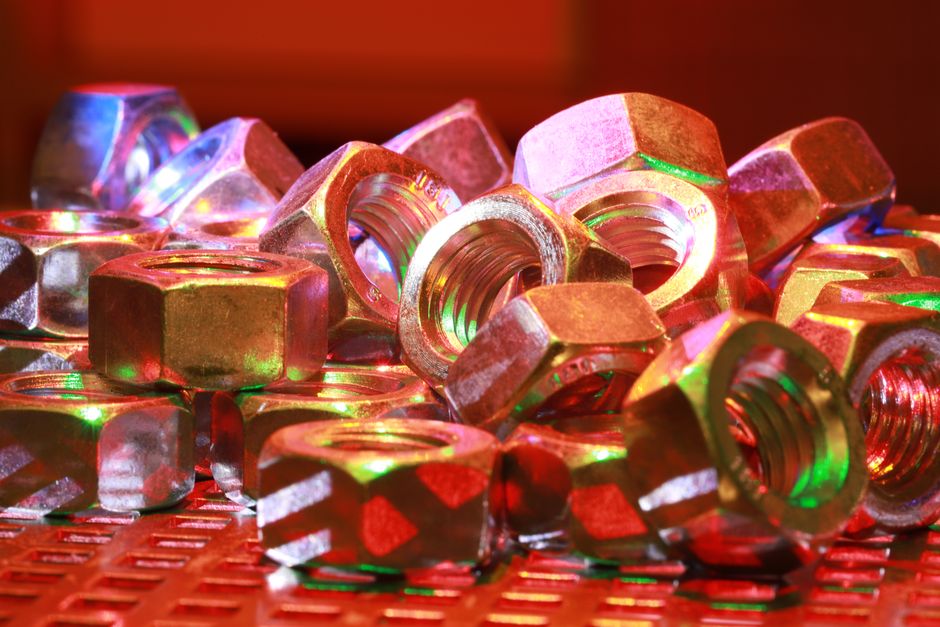
 Photo by Nic Wood on Pexels
What's ISO 4032?
ISO 4032 specifies dimensions, tolerances, and mechanical properties for hexagon regular nuts used in engineering applications. ISO 4032 - Hexagon Regular Nuts It's a critical standard for ensuring the quality and interchangeability of fasteners across different manufacturers.
Which Products Does ISO 4032 Apply To?
ISO 4032 applies to hexagon regular nuts with a nominal thread diameter ranging from M5 to M36. These nuts come in various materials, including carbon steel, stainless steel (e.g., A2-70), and other alloys.
What are the Key Technical Requirements of ISO 4032?
The key technical requirements include precise dimensions and tolerances for nut height, thickness, and hexagon size to ensure proper fit with matching bolts or screws. For example, a M16 nut has an outer diameter of 24 mm with specific tolerances.
How do Engineers Use ISO 4032 in Practice?
Engineers use ISO 4032 to select the right nuts for their projects based on mechanical specifications and material properties. This ensures that fasteners meet the required strength and durability standards, preventing failures due to improper fit or inadequate load capacity.
What's the Relationship Between ISO 4032 and Other Standards?
ISO 4032 complements other standards like ISO 965 for metric screw threads and ISO 1801 for bolt heads. Together, these standards ensure a full system of interlocking parts that comply with international engineering practices.
What are the Cost Implications of Using ISO 4032?
Using ISO 4032 can reduce costs by ensuring nuts fit correctly without requiring custom machining or oversized inventory. This standardisation minimises waste and downtime caused by mismatched fasteners, saving money on replacement parts and maintenance.
Who Issues and Maintains ISO 4032?
ISO (International Organization for Standardization) issues and maintains ISO 4032. The latest revision was published in 1988, ensuring ongoing relevance through updates that reflect current engineering practices and material advancements.
What are the Main Benefits of Adhering to ISO 4032?
Adherence to ISO 4032 guarantees consistent quality and interchangeability across different suppliers, reducing procurement costs. ISO 4032 also enhances safety by preventing structural failures caused by improperly sized or manufactured nuts.
How Does ISO 4032 Impact International Trade?
ISO 4032 facilitates international trade in fasteners by providing a common standard that manufacturers worldwide can adhere to. This ensures compatibility and reliability of components across borders, enhancing supply chain efficiency for multinational companies.
What are the Future Trends Related to ISO 4032?
Future trends will likely include updates to reflect new materials and manufacturing techniques, such as advanced steels or high-strength alloys. At ISO 4032 - Hexagon Regular Nuts, these changes aim to maintain ISO 4032's relevance in evolving engineering practices while ensuring continued compliance with safety standards.
How Can I Stay Updated on Changes to ISO 4032?
To stay updated on changes to ISO 4032, follow the CBM (Confederation of British Metalforming), BIAFD (British and Irish Association of Fastener Distributors), BTMA (British Turned Parts Manufacturers Association), and BPMA (British Pump Manufacturers Association). These organisations often provide updates and insights into standard revisions.
ISO 4032 remains a cornerstone of engineering fastener standards, ensuring that nuts meet rigorous quality requirements across various industries.
Frequently Asked Questions
What does ISO 4032 cover?
ISO 4032 (ISO 4032 - Hexagon Regular Nuts) specifies requirements for fasteners-fixings. It is issued by ISO and widely used in UK engineering procurement and manufacturing.
Is ISO 4032 mandatory in the UK?
ISO 4032 is not law, but it is referenced in most UK engineering specifications and procurement contracts. Many buyers require compliance as a condition of supply.
What does ISO 4032 specify for hexagon regular nuts?
ISO 4032 specifies dimensions, tolerances, and mechanical properties for hexagon regular nuts used in engineering applications. These nuts range from M5 to M36 nominal thread diameters.
Which materials are commonly used for ISO 4032 - Hexagon Regular Nuts?
Commonly used materials include carbon steel, stainless steel (such as A2-70), and other alloys suitable for engineering applications requiring different levels of corrosion resistance and strength.
How do engineers select the right nut based on ISO 4032 standards?
Engineers use ISO 4032 to choose nuts that meet specific mechanical specifications such as load capacity and durability. They ensure proper fit with matching bolts or screws by considering precise dimensions and tolerances for hexagon regular nuts.
Where can UK engineers find suppliers of ISO 4032 - Hexagon Regular Nuts?
UK engineers can visit mlc.org.uk to find suppliers that offer ISO 4032 - Hexagon Regular Nuts in various materials and sizes. This ensures availability and compliance with industry standards for fasteners used in engineering projects.
What does ISO 4032 - Hexagon Regular Nuts M5 to M36 Dimensions and Tolerances specify?
ISO 4032 specifies the dimensions, tolerances, and mechanical properties for hexagon regular nuts with a nominal thread diameter ranging from M5 to M36. This standard ensures uniform quality and interchangeability across different manufacturers.
What types of materials are used in ISO 4032 - Hexagon Regular Nuts M5 to M36 Dimensions and Tolerances?
The nuts specified in ISO 4032 can be made from carbon steel, stainless steel (such as A2-70), and other alloys. These materials ensure the nuts meet various mechanical specifications and durability requirements.
How do engineers choose the right nut based on ISO 4032 - Hexagon Regular Nuts M5 to M36 Dimensions and Tolerances?
Engineers select the appropriate nut by considering its mechanical specifications, such as strength grade and material properties. This ensures that fasteners meet the required load capacity and durability standards for specific applications.
Where can UK engineers find suppliers of ISO 4032 - Hexagon Regular Nuts M5 to M36 Dimensions and Tolerances?
UK engineers can find suppliers listed on mlc.org.uk who offer nuts conforming to ISO 4032. These suppliers provide a range of materials and sizes to meet different engineering needs.