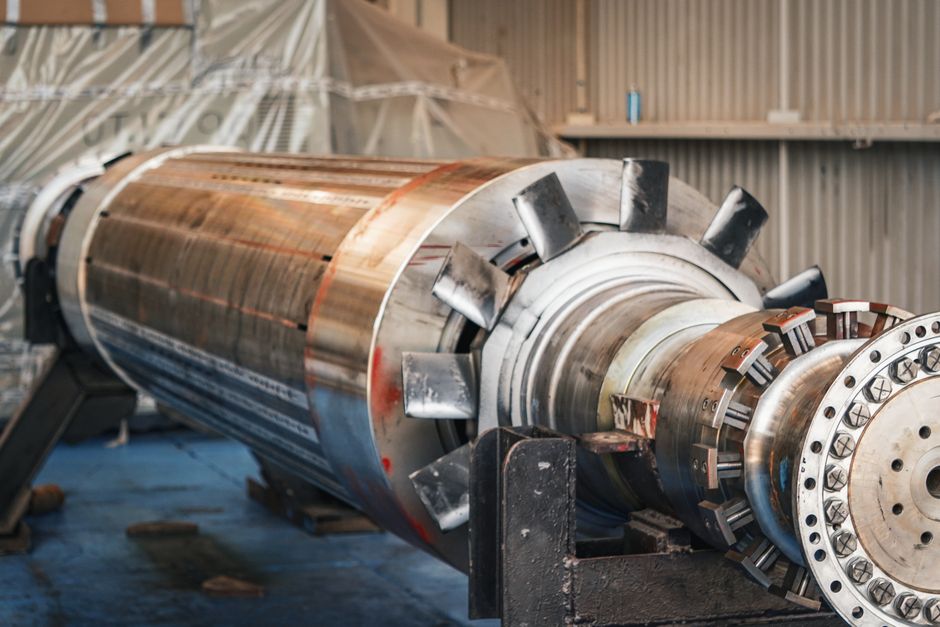
 Photo by Edgar Snzz on Pexels
Dynamic Load Rating is the constant load a
bearing can carry for one million revolutions before fatigue failure, measured in kN.
In practical terms, Dynamic Load Rating (DLR) is important when engineers are selecting bearings for machinery or equipment that experiences significant stress over time. The DLR ensures that components like ball bearings and roller bearings can withstand repeated loads without failing prematurely due to wear and tear. This measurement helps procurement managers determine which bearing types will provide the longest service life under specific operating conditions.
The Dlr of a bearing is calculated according to international standards such as ISO 281. BS EN 1983-1, and DIN 740, among others. These standards specify how manufacturers test bearings to establish their dynamic load capacity based on material properties and design characteristics. For instance, bearings made from A2-70
stainless steel typically have higher DLRs than those made from carbon steels like EN8 due to the superior fatigue resistance of stainless materials.
Engineers often use a formula known as L10 or B10 life to determine the expected service life of a bearing. This calculation takes into account both the Dlr and the actual loads that the bearing will encounter in operation. For example, if a machine operates with an equivalent dynamic load of 4 kN on a ball bearing rated at 28 kN for one million revolutions, the bearing's expected lifespan can be calculated using the L10 formula.
When selecting bearings, it's important to match the Dlr closely to the anticipated operational loads. Overestimating or underestimating these loads can lead to premature failure or unnecessary over-engineering. Procurement managers and maintenance engineers should consult standards like ISO 281:2020 for guidance on how different types of bearings perform at various load levels.
For instance, a ball bearing with a Dlr of 35 kN might be suitable for applications requiring frequent start-stop cycles or high rotational speeds. In contrast, a cylindrical roller bearing with a higher Dlr, say 70 kN, would be better suited for continuous heavy-duty operations where static loads are predominant.
In summary, understanding and applying the concept of Dynamic Load Rating is vital for ensuring that bearings can operate reliably over their intended service life without excessive wear or failure. By adhering to recognized standards and performing accurate calculations, engineers can make informed decisions about which components will best meet their equipment's demands.
Frequently Asked Questions
What is Dynamic Load Rating?
The constant load a bearing can carry for one million revolutions before fatigue failure, measured in kN.
What is Dynamic Load Rating and why is it important for UK engineers?
Dynamic Load Rating (DLR) is the constant load a bearing can carry for one million revolutions before fatigue failure, measured in kN. It's important because it helps engineers select bearings that will withstand repeated loads without failing prematurely due to wear and tear.
How do international standards like ISO 281 influence the Dynamic Load Rating of bearings?
International standards such as ISO 281 specify how manufacturers test bearings to establish their dynamic load capacity based on material properties and design characteristics. These standards ensure consistent testing methods, allowing engineers to compare DLR values across different bearing types and materials.
What factors should UK engineers consider when choosing between ball bearings and roller bearings for a specific application?
Engineers should consider the Dynamic Load Rating (DLR) of both ball bearings and roller bearings based on their intended use. For instance, if the machinery will experience high radial loads, roller bearings with higher DLRs might be more suitable than ball bearings.
Which UK suppliers offer bearings made from A2-70 stainless steel with a higher Dynamic Load Rating?
Many reputable UK suppliers stock bearings made from A2-70 stainless steel, known for its superior fatigue resistance compared to carbon steels like EN8. These suppliers provide detailed specifications on the DLR of each bearing type.
How does the cost and availability of bearings relate to their Dynamic Load Rating in the UK market?
Bearings with higher Dynamic Load Ratings (DLR) tend to be more expensive due to the materials used and manufacturing processes required. However, they offer extended service life under specific operating conditions, potentially reducing long-term costs by minimizing maintenance and replacement needs.
What does Dynamic Load Rating (DLR) mean in the context of bearing selection for UK engineers?
Dynamic Load Rating is a critical measurement that indicates the constant load a bearing can carry for one million revolutions before fatigue failure, typically measured in kilonewtons (kN). Engineers use this rating to ensure bearings can withstand repeated loads over time without premature wear.
Which international standards should be considered when determining the DLR of a bearing?
When assessing Dynamic Load Rating, engineers should refer to international standards such as ISO 281 and BS EN 1983-1. These standards outline the methodologies for testing bearings based on material properties and design characteristics to establish their dynamic load capacity.
How does choosing between different types of materials affect a bearing's DLR?
The choice of material significantly impacts a bearing's Dynamic Load Rating. For example, bearings made from A2-70 stainless steel generally have higher DLRs compared to those made from carbon steels like EN8 due to the superior fatigue resistance offered by stainless steel.
Where can UK engineers find reliable suppliers for high-quality bearings with accurate DLR specifications?
Engineers in the UK can visit mlc.org.uk or consult similar reputable websites and catalogs to find trustworthy suppliers offering detailed Dynamic Load Rating information. This ensures that procurement managers select bearing types suitable for specific operating conditions, enhancing long-term performance and reliability.