 Photo by Birgit Böllinger on Pexels
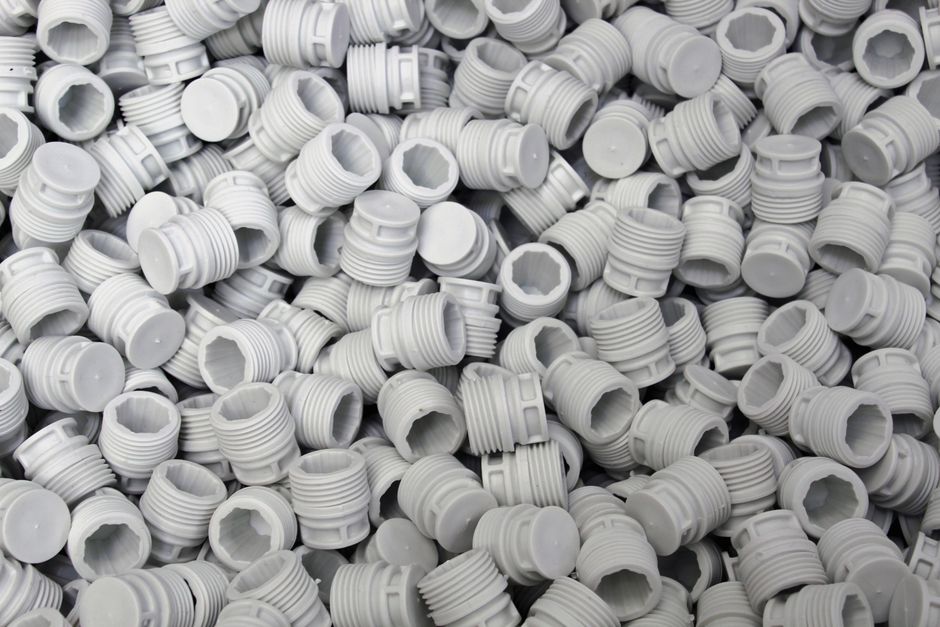
PTFE is polytetrafluoroethylene, a chemically inert polymer with the lowest friction of any solid, used in
seals,
bearings, and gaskets. PTFE's unique properties make it indispensable across various engineering sectors, from automotive to aerospace.
In practical applications, PTFE excels due to its high chemical resistance, low coefficient of friction, and exceptional thermal stability. It's commonly found in mechanical seals for
pumps and
valves. Where its ability to withstand corrosive fluids without degrading ensures long-lasting performance. Maintenance engineers often specify PTFE because it requires minimal maintenance over its service life.
PTFE adheres to several key standards that ensure quality and consistency across applications. The British Polymeric Association (BPA) specifies the requirements for PTFE in various forms, such as rods and sheets, under BS EN ISO 15493-2:2016 and BS EN 17805:2018. These standards outline critical parameters like tensile strength, elongation at break, and hardness.
Maintenance engineers selecting PTFE components should consider the specific applications' demands. For example, in high-pressure environments, such as
hydraulic systems, PTFE's resistance to deformation under load is important. It typically has a tensile strength of around 15 MPa and an operating temperature range from -200°C to +260°C, making it suitable for cryogenic applications and extreme heat conditions alike.
PTFE is also critical in electrical insulation due to its high dielectric constant, which minimises energy loss. This property makes PTFE ideal for wire coatings and bushings where both thermal stability and electrical performance are important.
When choosing between different materials like A2-70
stainless steel or EN8 carbon steel, engineers often opt for PTFE when chemical resistance is a priority. Its non-stick properties also make it popular in food processing machinery and medical devices.
In summary, PTFE's versatility and strong performance characteristics make it a go-to material for demanding engineering applications where reliability and longevity are critical. By adhering to relevant standards like BS EN ISO 15493-2:2016 and understanding its physical properties, engineers can confidently select the right PTFE components for their projects.
Frequently Asked Questions
What is PTFE?
Polytetrafluoroethylene, a chemically inert polymer with the lowest friction of any solid, used in seals, bearings, and gaskets.
What is PTFE and why is it important in engineering applications?
PTFE, or polytetrafluoroethylene, is a chemically inert polymer known for its lowest friction coefficient among solids. It's important in engineering due to its high chemical resistance, low friction, and thermal stability, making it ideal for seals, bearings, and gaskets.
What are the main types of PTFE used in industrial applications?
The primary types include virgin PTFE, which offers excellent mechanical properties, and modified PTFEs like PTFE with additives such as glass fibres or graphite to enhance strength and wear resistance. These variants cater to diverse application needs.
How do maintenance engineers choose the right PTFE component for their projects?
Maintenance engineers consider specific requirements such as pressure levels, chemical exposure, and temperature ranges when selecting PTFE components. High-pressure environments may require reinforced PTFE grades to ensure durability and reliability.
Which standards should be followed when using PTFE in engineering applications?
Engineers should adhere to British Polymeric Association (BPA) standards such as BS EN ISO 15493-2:2016 and BS EN 17805:2018, which specify the quality parameters for PTFE including tensile strength, elongation at break, and hardness.
Where can UK engineers find reliable suppliers of high-quality PTFE components?
UK engineers can source high-quality PTFE from reputable manufacturers such as Dyneon or Saint-Gobain Performance Plastics. These companies provide a range of PTFE products that meet industry standards for various applications, ensuring long-lasting performance.
What is PTFE and why is it important in engineering applications?
PTFE, or polytetrafluoroethylene, is a chemically inert polymer known for its extremely low friction and high thermal stability. It's vital in engineering due to its ability to withstand corrosive fluids without degrading, making it ideal for use in seals, bearings, and gaskets across various sectors like automotive and aerospace.
What are some key standards that PTFE must adhere to in the UK?
In the UK, PTFE components must conform to standards such as BS EN ISO 15493-2:2016 and BS EN 17805:2018, which specify requirements for rods and sheets. These standards ensure critical parameters like tensile strength, elongation at break, and hardness are met.
How do engineers choose the right PTFE variant for their application?
Engineers should consider specific application demands such as temperature range, chemical exposure, and mechanical stress when selecting a PTFE variant. For instance, in high-pressure environments like pneumatic systems, maintaining structural integrity is important while ensuring durability under continuous use.
Where can UK engineers find reliable suppliers of PTFE components?
UK engineers can seek out reputable suppliers by consulting the British Polymeric Association (BPA) or visiting websites like mlc.org.uk for a list of certified manufacturers and distributors who adhere to industry standards. These suppliers typically provide a range of PTFE products including rods, sheets, and molded parts suitable for various engineering needs.