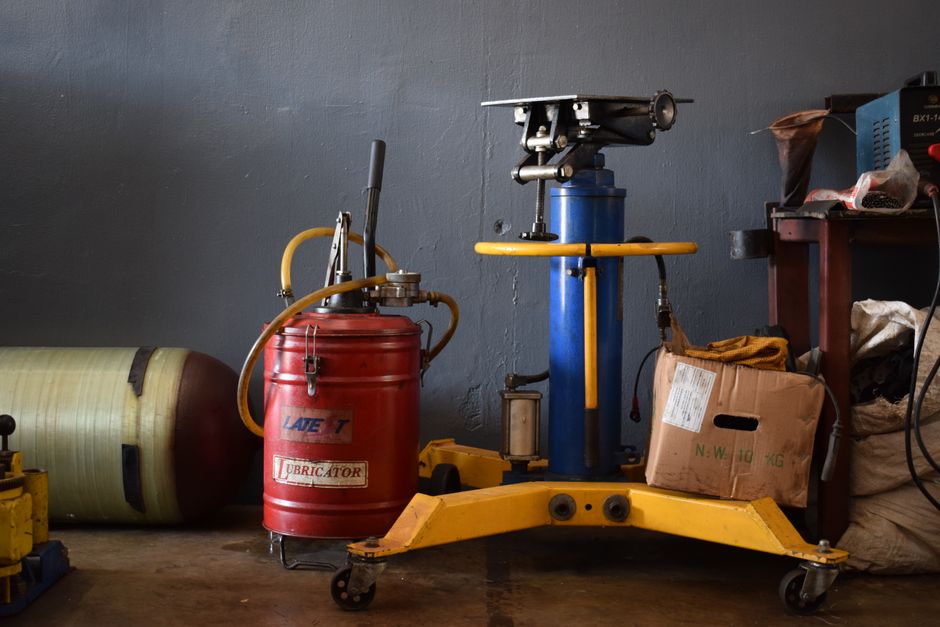
 Photo by Ayub Abdul Rahman on Pexels
| Specification | Details |
|---|
| Types | Handles, knobs, hinges, latches, catches, levelling feet, castors, gas springs, bumpers |
| Materials | Zinc die-cast, stainless steel, nylon, aluminium, rubber |
| Standards | Various - EN 1935 (hinges), BS EN 12209 (locks) |
| Brands | Elesa+Ganter, Norelem, WDS, Essentra Components |
What are Engineering Hardware?
Engineering hardware encompasses components and parts used to assemble or maintain machinery and equipment. This includes items like handles, knobs, hinges, latches, catches, levelling feet, castors, gas springs, and bumpers.
Types of Engineering Hardware
Handles, knobs, hinges, latches, catches, levelling feet, castors, gas springs, and bumpers are the main types of engineering hardware. Handles and knobs provide ergonomic control for moving or adjusting equipment, while hinges facilitate smooth opening and closing actions. Latches and catches secure doors or panels in place, ensuring safety and stability. Levelling feet adjust equipment height to keep it stable on uneven surfaces. Castors enable easy movement without damaging floors. Gas springs assist with heavy lids by providing a balanced lifting force. Bumpers prevent damage from collisions.
Materials and Specifications
Engineering hardware is often made from zinc die-cast, stainless steel (A2-70), nylon (PA6-GF30), aluminium (EN AW-6082 T6), and rubber. Standards such as EN 1935 for hinges and BS EN 12209 for locks ensure quality and safety.
Zinc die-cast components offer durability and corrosion resistance, making them ideal for harsh environments. Stainless steel, like grade A2-70, is used for its strength and rust-resistance in applications where hygiene is critical. Nylon (PA6-GF30) provides excellent wear resistance and low friction, suitable for high-stress areas. Aluminium alloys, such as EN AW-6082 T6, offer lightweight yet strong parts that withstand impact.
How to Choose the Right Engineering Hardware
Choosing the right engineering hardware involves considering material compatibility with environmental conditions, load-bearing requirements, and ease of assembly. Look for products certified by recognised standards like ISO 9001 or DIN EN 13485. Assessing wear resistance, corrosion protection, and impact strength is important.
Material choice depends on application needs: stainless steel for wet environments; nylon for low-friction use. Ensure components fit correctly and meet load-bearing demands. Certification from bodies like the British Industrial Fasteners Association (BIAFD) or the British Standards Institution (BSI) verifies quality and compliance with industry standards.
UK Suppliers
MLC lists verified suppliers registered in Companies House, ensuring reliability and accountability for all engineering hardware needs.
Suppliers listed on MLC adhere to strict verification processes. These companies provide a wide range of products across various materials and brands like Elesa+Ganter and Norelem. Each supplier must meet stringent quality standards, including ISO certifications relevant to their product lines. This ensures that procurement managers can trust the hardware they purchase for use in demanding industrial applications.
Common Applications
Engineering hardware finds application in manufacturing equipment, machinery protection, medical devices, and furniture assembly. For instance, gas springs are used extensively in hospital beds, while rubber bumpers safeguard delicate electronics from damage during transport or handling.
In manufacturing plants, handles and knobs enable workers to operate machinery efficiently and safely. Hinges allow doors on industrial cabinets to open smoothly without obstructing workspace. Locks secure dangerous areas, protecting personnel and equipment. Castors make moving heavy machines easier, reducing the risk of injury. Gas springs assist in opening and closing lids or panels, ensuring smooth operation even with significant weight.
Overall, engineering hardware plays a critical role in maintaining functionality, safety, and efficiency across various industrial settings.
Engineering Hardware listings on MLC cover products including industrial components and industrial component supplies. All suppliers are verified against Companies House public records.
Profiled UK engineering hardware suppliers
MLC lists 100 verified engineering hardware suppliers, each cross-referenced against Companies House public records.
| Company | Company No. | Incorporated | Status |
|---|
| Ceandess (Wolverhampton) Limited | 06896909 | 2009-05-06 | Active |
| Lmh Keycoders Ltd | 14919334 | 2023-06-06 | Active |
| Locknload Limited | 14242717 | 2022-07-19 | Active |
| Gravloc Uk Limited | 06456336 | 2007-12-18 | Active |
| Jayee Industrial Co., Limited | 14893432 | 2023-05-25 | Active |
| Retail Display Manufacturing Group Ltd | 11898488 | 2019-03-22 | Dissolved |
| Harvey Retail Display & Design Ltd | 11879365 | 2019-03-13 | Dissolved |
| K. D. Engineering (Merseyside) Limited | 01661328 | 1982-09-01 | Dissolved |
| Lockfast Ne Ltd | 11442081 | 2018-07-02 | Dissolved |
| Hcs Nuclear Limited | SC582280 | 2017-11-23 | Dissolved |
Plus 90 more verified suppliers. Browse the full list on MLC.
Companies sourced from Companies House SIC codes: 25720, 25990. Data verified April 2026.
UK trade in engineering hardware, 2025
The UK imported £848.2 million of engineering hardware in 2025, 136 thousand tonnes by weight, and exported £374.2 million. £311.2 million of imports came from the EU and £537.0 million from outside it. Figures are compiled from HM Revenue & Customs Overseas Trade Statistics across 4 commodity headings, covering all four HMRC trade flows (HMRC UK Trade Info).
Largest sources of imports:
| Country | Import value | Share |
|---|
| China | £302.1 million | 35.6% |
| United States | £94.7 million | 11.2% |
| Germany | £88.2 million | 10.4% |
| India | £65.1 million | 7.7% |
| Austria | £41.7 million | 4.9% |
| Italy | £37.5 million | 4.4% |
Named countries account for 95% of import value; the remainder is spread across smaller partners.
By commodity heading:
- 830241 — Base metal mountings and fittings suitable for buildings (excl. locks with keys and hinges): £323.9 million
- 830242 — Base metal mountings, fittings and similar articles suitable for furniture (excl. locks with ke: £240.2 million
- 830249 — Base metal mountings, fittings and similar articles (excl. locks with keys, clasps and frames w: £220.0 million
- 830260 — Automatic door closers of base metal: £64.0 million
Contains public sector information licensed under the Open Government Licence v3.0. Full dataset: uk-engineering-component-trade.
Frequently Asked Questions
What types of Engineering Hardware are available in the UK?
Engineering Hardware are available from hundreds of UK suppliers in various materials, sizes, and specifications. Browse MLC's verified supplier listings for current stock and technical specs.
How do I choose the right Engineering Hardware?
Selecting the right Engineering Hardware depends on load requirements, operating environment, temperature range, and material compatibility. Check our buying guides for detailed selection criteria.
Can I buy Engineering Hardware in small quantities?
Many UK Engineering Hardware suppliers offer no minimum order quantities. Filter suppliers on MLC to find those selling individual items or small batches.
Are Engineering Hardware suppliers on MLC verified?
All suppliers listed on MLC are verified against Companies House public records. Each listing shows incorporation date, company status, directors, and registered address.
What standards apply to Engineering Hardware?
Engineering Hardware are manufactured to various ISO, BS, and DIN standards depending on type and application. Check individual product pages for specific standard references.
What does Engineering Hardware include and what are its main types?
Engineering hardware includes components used to assemble or maintain machinery and equipment. The main types of engineering hardware are handles, knobs, hinges, latches, catches, levelling feet, castors, gas springs, and bumpers.
How do you choose the right material for Engineering Hardware in the UK?
When selecting materials for engineering hardware in the UK, consider zinc die-cast, stainless steel, nylon, aluminium, or rubber. Each material offers different properties such as durability, corrosion resistance, and weight, suitable for specific applications like hinges and latches.
What are some common standards followed by Engineering Hardware manufacturers?
Manufacturers of engineering hardware often adhere to standards such as EN 1935 for hinges and BS EN 12209 for locks. These ensure safety and quality across various products used in industrial settings.
Which brands supply Engineering Hardware components in the UK?
Leading suppliers of engineering hardware components in the UK include Elesa+Ganter, Norelem, WDS, and Essentra Components. These brands offer a wide range of parts suitable for diverse applications from machinery assembly to equipment maintenance.
How accessible are Engineering Hardware components in terms of cost and availability?
Engineering hardware components like handles, hinges, and castors are generally available through various suppliers with competitive pricing. Availability can vary based on specific product types and brand selections but remains reasonably accessible across the UK market.